Two different sites on the same pavement.
During sales hours a dealership lot is busy by design. Customers wander the rows, salespeople pull cars forward, porters shuttle vehicles to the service drive and test drives leave and return all afternoon. Nobody wants an alert for any of that. After closing, the same lot flips into something else entirely: a fenced field of unattended vehicles where the only people who belong there are the ones on the schedule.
Dealership security camera monitoring works when it respects that switch. Guards and remote monitoring operators usually cover the closed hours — evenings, overnight and Sundays — and that is exactly where Semaphor earns its place.
What guards actually watch on a dealership lot.
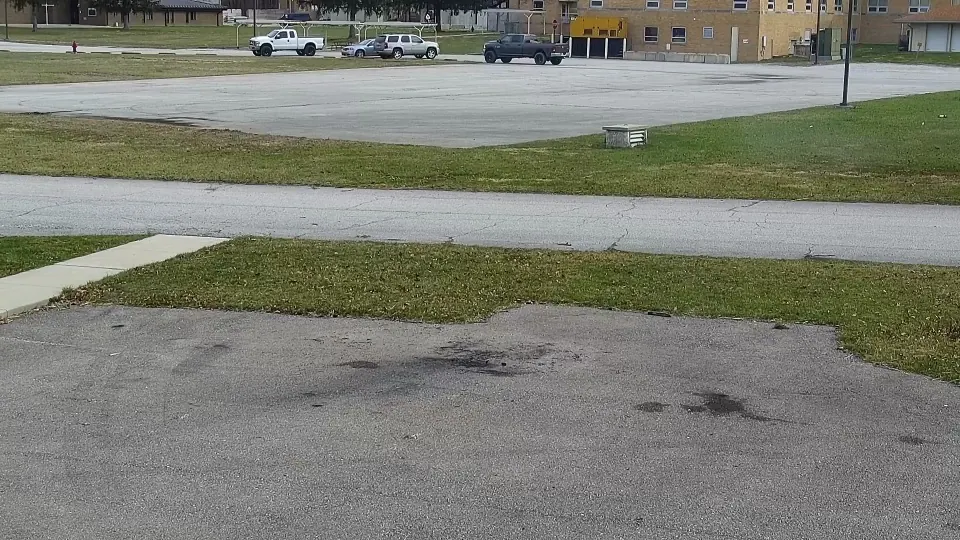
A typical dealership surveillance layout has a handful of pole cameras covering the front display line, wide shots across the back inventory rows, a camera on the service drive doors, one or two on the used-car overflow lot and a view of the key drop or key cabinet area. On the monitoring station these become a grid on a video wall or a camera dashboard that cycles through tours when there are more views than tiles.
The events that matter after hours are consistent across stores:
- Catalytic converter theft. A person crouching or lying beside a truck or hybrid, often with a vehicle idling nearby. It is fast and low to the ground.
- Wheel and tire theft. Vehicles on the back row left on blocks by morning.
- Vehicle theft and key grabs. Someone moving between the service drive and the lot, or a vehicle moving when no one should be driving.
- Break-ins and fence cuts. A person along the perimeter fence line or at the rear gate.
- Joyriders and cut-throughs. A car entering the lot after close and circling the rows.
The nuisance side is just as predictable: headlights from the road sweeping across windshields, reflections on paint, flags and inflatable signage moving in the wind, rain on the lens and the same porter’s car parked by the service door every night.
Why dealership cameras are hard to watch.
Dealership cameras are set up to show off the inventory, not to catch a person kneeling between two pickups. Wide shots from pole mounts make a human small. Rows of glossy vehicles throw glare from every passing headlight. The back lot is darker than the showroom frontage, and at night the image turns grainy. Tours cycle the view away just when something starts. A guard watching a dozen tiles at 3 a.m. cannot give every one of those rows full attention, and motion-based alarms bury the real event under wind and headlight noise.
How Semaphor helps the overnight guard.
Semaphor reads the monitoring screen your team already watches. There is no camera replacement, no new VMS and no vendor integration project — it works with your existing camera software by separating the panes on the screen and following each camera as the layout cycles.
On each view, local person and vehicle detection looks for exactly what matters on a closed lot: people and moving vehicles, not flapping pennants. When a person appears between the rows, a preliminary alert reaches the guard immediately and an AI scene report follows on the same card: what is happening, what is uncertain and whether guard review is suggested. The same parked porter car does not alert all night, because duplicate alert suppression and cooldowns keep repeat detections quiet.
Every alert carries the original frames, hashed and retained, so a converter theft that happens anyway still leaves the dealer with clean evidence for the police report and the insurer.
What your guards watch
- Front display line and pole cameras on the frontage
- Back inventory rows and the overflow lot
- Service drive doors and the key drop
- Rear gate and perimeter fence
- Cycling tours when there are more cameras than tiles
What Semaphor surfaces
- A person crouched beside a vehicle after close
- A vehicle entering or moving on a closed lot
- Someone at the service doors or key area overnight
- Activity along the fence or at the rear gate
- Cameras cycled off-screen, marked unobserved — never assumed quiet
Closed hours are the post order.
The difference between a test drive and a theft is mostly the clock. Your post orders already say it: the lot is closed from close of business until the porters arrive. Semaphor supports that by putting after-hours people and vehicle activity in front of the guard with evidence attached. The guard reviews it, calls the store contact or dispatches, and closes the event. The AI never makes that call.
For operators running several stores from one station, that focus is what lets a single guard cover more cameras without more guards. For the overnight shift specifically, see our guide to night-time camera monitoring.
Want to see it on your own lot? Book a live demo on your own camera screens, or start a pilot on one monitoring station and measure missed events and nuisance alerts against your current shift.
Built for the companies that guard dealerships.
Most dealerships do not staff their own overnight watch. They contract a guard company or a remote video monitoring center. Semaphor is built for those teams: one monitoring screen, many client sites, a single guard inbox that sorts events by priority. New to the product? Start with what Semaphor is and how it fits next to the tools you already run.
Dealership monitoring FAQ
Will Semaphor alert on customers during sales hours?
Most dealership monitoring contracts cover closed hours, when any person on the lot is worth a look. If your guards also watch during the day, they stay in control of what gets reviewed and closed.
Can it catch catalytic converter theft?
Semaphor looks for people and vehicles on the camera views your guards watch, including a person beside a parked vehicle after close. That puts the event in front of the guard early, with the original frames attached for review and evidence.
Do we need to replace our dealership cameras or VMS?
No. Semaphor works from the monitoring screen you already use. No camera credentials, no vendor API and no new recording system. Contact us to confirm your layout during a live demo.